

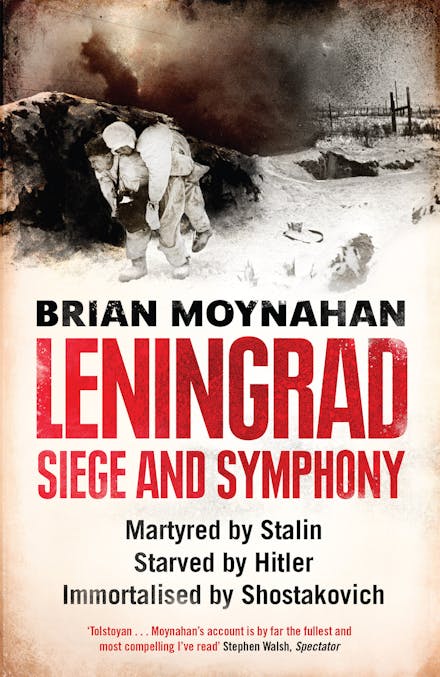


Leningrad: Siege and Symphony
Formats & Editions


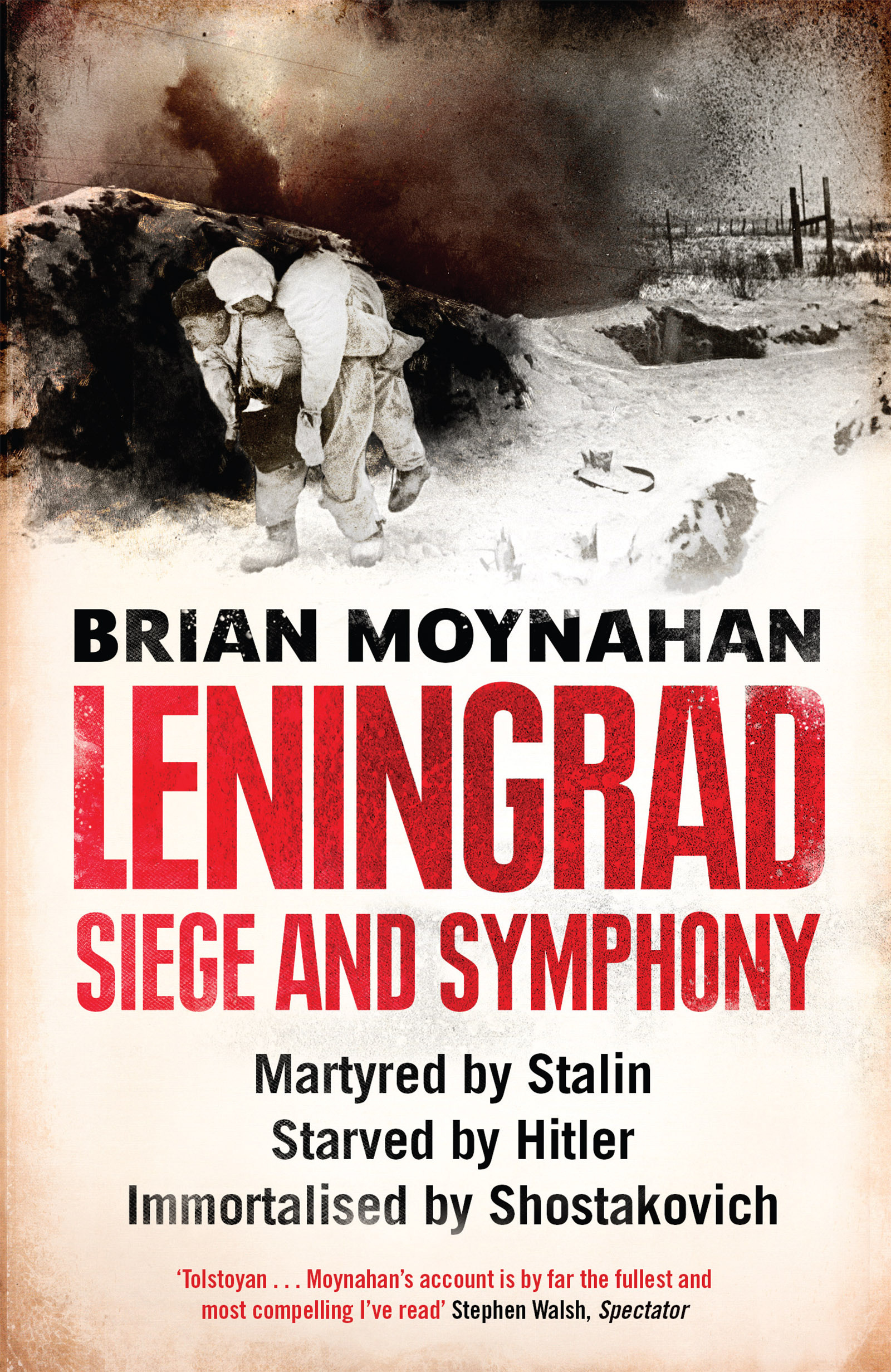
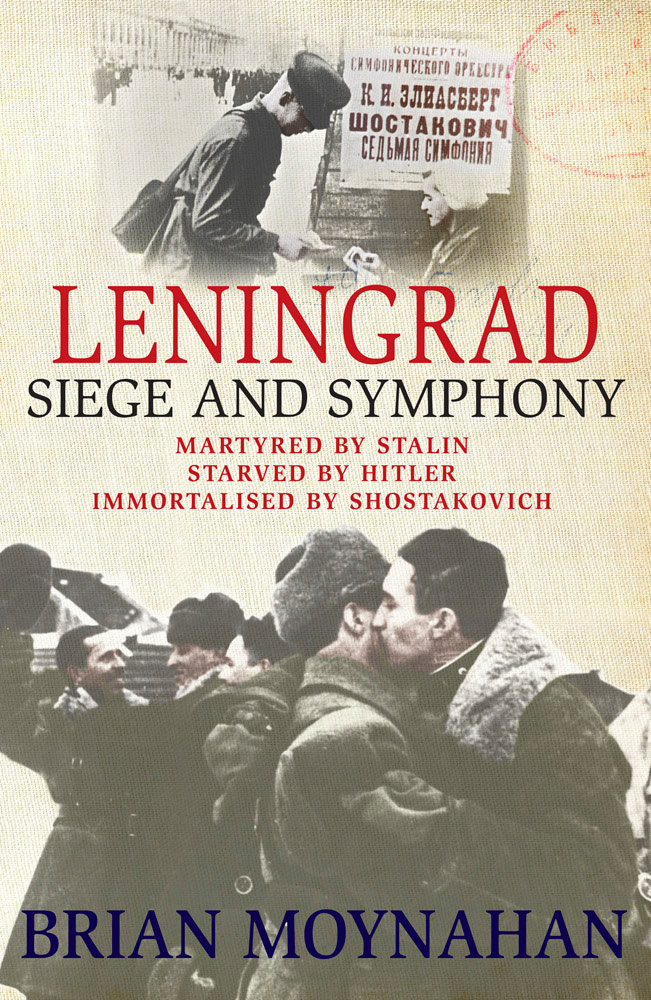
Shostakovich's Seventh Symphony was first played in the city of its birth on 9 August, 1942. There has never been a first performance to match it. Pray God, there never will be again. Almost a year earlier, the Germans had begun their blockade of the city. Already many thousands had died of their wounds, the cold, and most of all, starvation. The assembled musicians - scrounged from frontline units and military bands, for only twenty of the orchestra's 100 players had survived - were so hungry, many feared they'd be too weak to play the score right through. In these, the darkest days of the Second World War, the music and the defiance it inspired provided a rare beacon of light for the watching world.
Setting the composition of Shostakovich's most famous work against the tragic canvas of the siege itself and the years of repression and terror that preceded it, Leningrad: Siege and Symphony is a magisterial and moving account of one of the most tragic periods in history.
Praise for Leningrad
-
Tolstoyan ... Moynahan's account is by far the fullest and most compelling I've read ... it's certainly hard to read his gripping, skilfully woven account without emotion - SpectatorThe scale of Leningrad's suffering and the lasting impact of [Shostakovich's] inspirational music are brilliantly captured in this extraordinary book . . . Unique, a powerful and redemptive piece of work - Curtis Hutchinson, Military History MonthlyA really gripping read ... the narrative is fantastic, very skilfully done ... I couldn't put it down. It's like reading a novel - Music Matters, BBC Radio 3A bold attempt to set the composition of Shostakovich's 7th Symphony within the extraordinary context of its times - Mail on SundayThe extraordinary tale of the symphony and the city that inspired it, an engrossing, finely researched new book. - Catholic Herald

Find a book you'll love, get our newsletter

This site is protected by reCAPTCHA and the Google Privacy Policy and Terms of Service apply.
© Hachette Aotearoa | New Zealand, All Rights Reserved · Site by Chook