

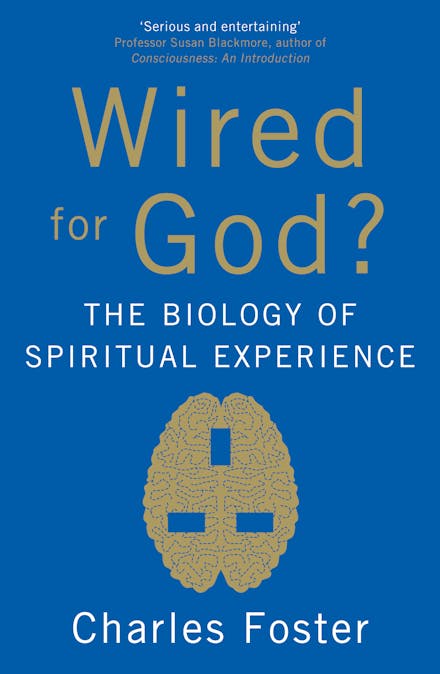
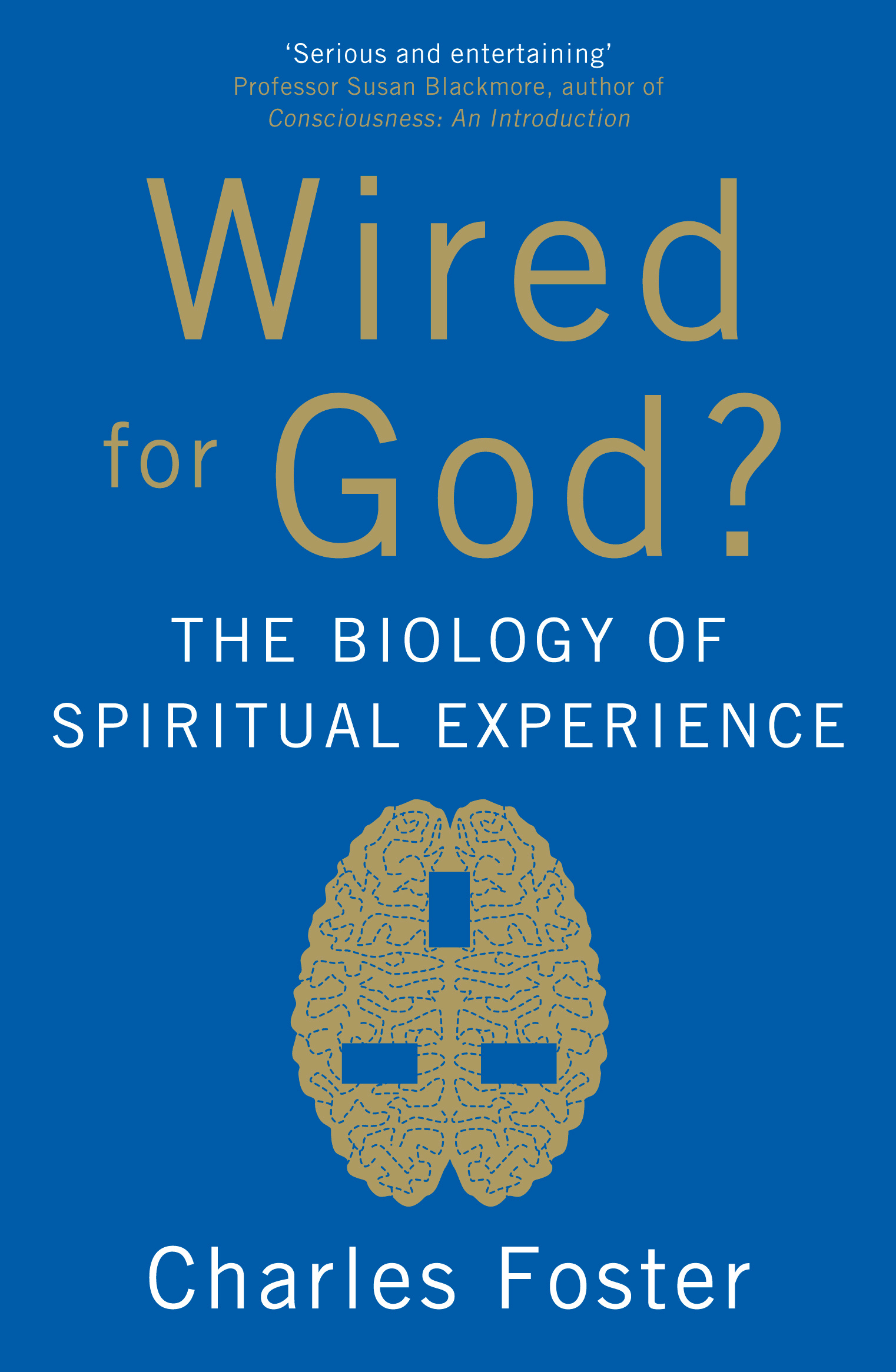
Wired For God?: The biology of spiritual experience
Formats & Editions
Human religious experiences are remarkably uniform; many can be pharmacologically induced. Recent research into the neurology of religious experience has shown that, when worshipping or praying, a certain part of the brain, apparently dormant during other activities, becomes active.
What does all this mean for those of faith and those with none In this fascinating book barrister Charles Foster takes a survey of the evidence - from shamans to medieval mystics, to out-of-body experiences and epilepsy, via Jerusalem and middle-class Christianity - and assesses its significance. Written in short, accessible chapters, this is a fascinating tour of religious and mystical experiences and their relation to human physiology.
Praise for Wired For God?
-
I have enjoyed an extended argument with this book. Foster's passion and clarity help focus on the key issues concerning the nature of religious feeling in human life, demanding a quality of response from the reader that matches his own high standard of thought and exposition. - Professor Chris Gosden, School of Archaeology, University of Oxford
-
A look at the ultimately important questions of life that is itself wonderfully alive: you may not agree, but you will never be bored. - Iain McGilchrist
-
In this tour of the weird and wacky in religion and spirituality, Charles Foster displays his gift for making science accessible and philosophy entertaining. He will amuse and irritate religious believers and non-believers in turn but won't let either group stray too far from the evidence. You may not agree with all of Foster's answers, but he is certainly asking good questions. - Justin Barrett, The University of Oxford
-
Both serious and entertaining. - Professor Susan Blackmore

Find a book you'll love, get our newsletter

This site is protected by reCAPTCHA and the Google Privacy Policy and Terms of Service apply.
© Hachette Aotearoa | New Zealand, All Rights Reserved · Site by Chook