

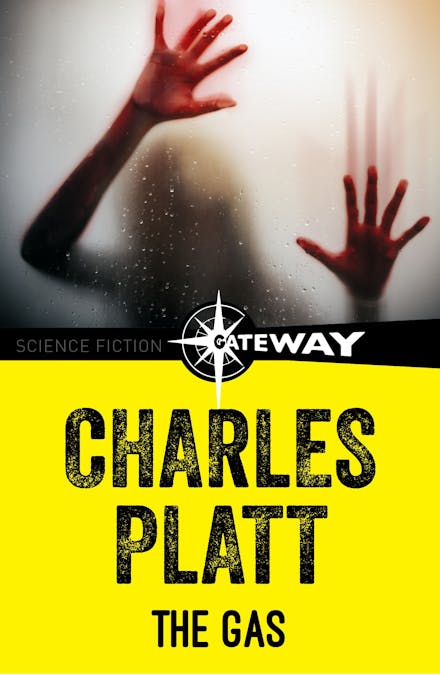
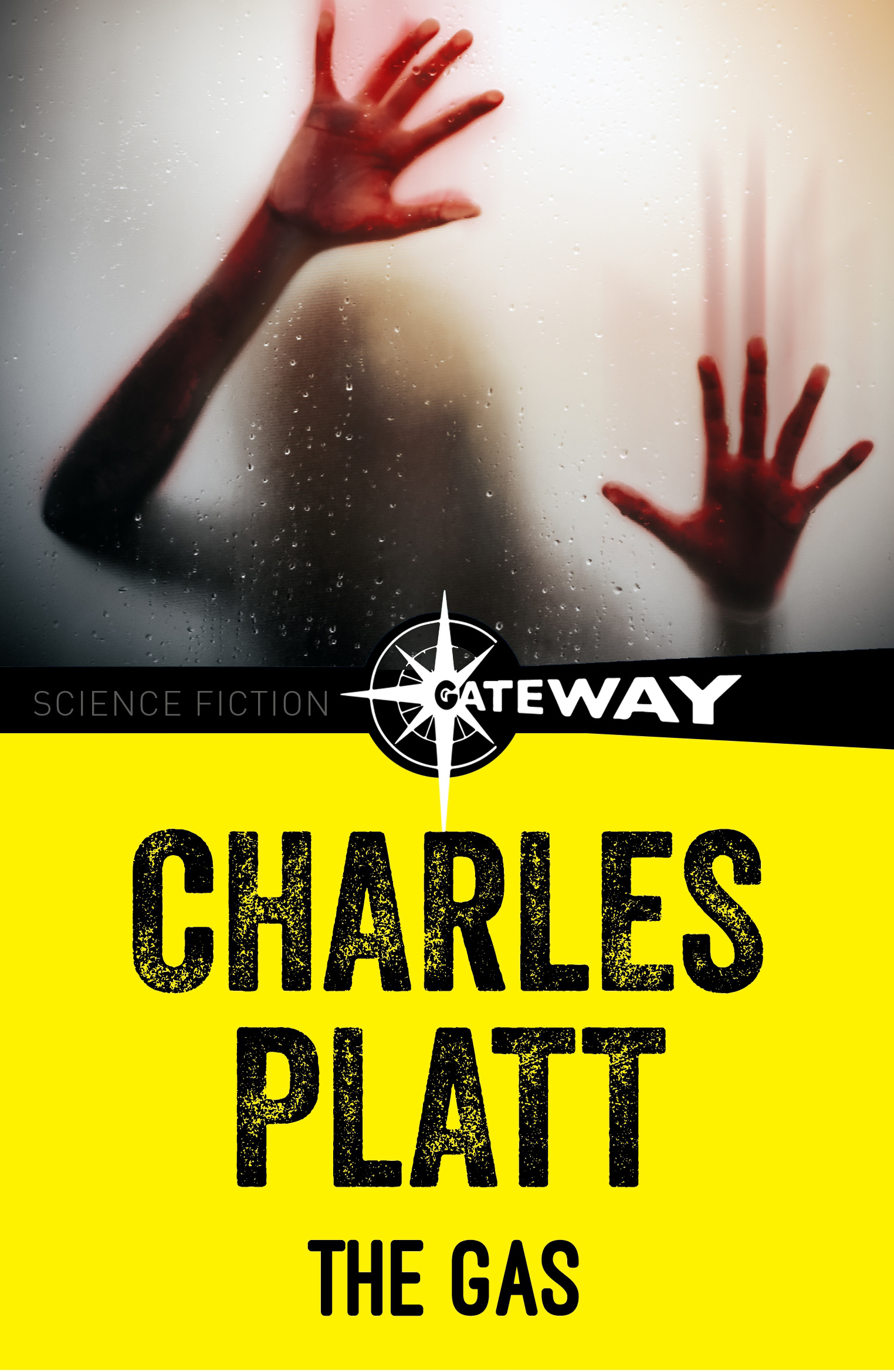
The Gas
Formats & Editions
Pick any male author, from Terry Southern to Samuel Beckett, and you may find an erotic novel lurking somewhere in his past. During the 1960s and the 1970s, dozens of novelists were tempted to write erotica in a spirit of playful rebellion. Many of the books were written under pseudonyms, and they quickly disappeared. But The Gas lives on.
Published originally by Olympia Press (the imprint that gave the world Lolita), this outrageous tour-de-force describes the comic and horrific consequences when an experimental chemical warfare agent is released accidentally and wafts across southern England. The gas has two effects: it relaxes inhibitions and accelerates hormone production in men and women. Within a matter of hours, people start ripping off their clothes and partying in the street, and "British reserve" becomes a distant memory.
The book's iconoclastic energy and its insistence on violating every taboo have earned it a unique, enduring status. In the words of a reviewer on Amazon (who gave it one star): "It's the most disgusting and completely unbelievable cult trash - yet somehow compelling because it's so yucky. It's the sort of book that when reading makes ya cringe, put down, then look at with furtive glances and pick up again just to get even more grossed out!"


Find a book you'll love, get our newsletter

This site is protected by reCAPTCHA and the Google Privacy Policy and Terms of Service apply.
© Hachette Aotearoa | New Zealand, All Rights Reserved · Site by Chook