

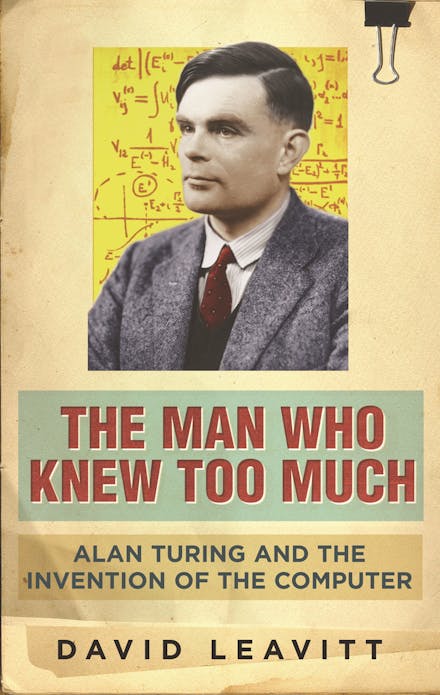

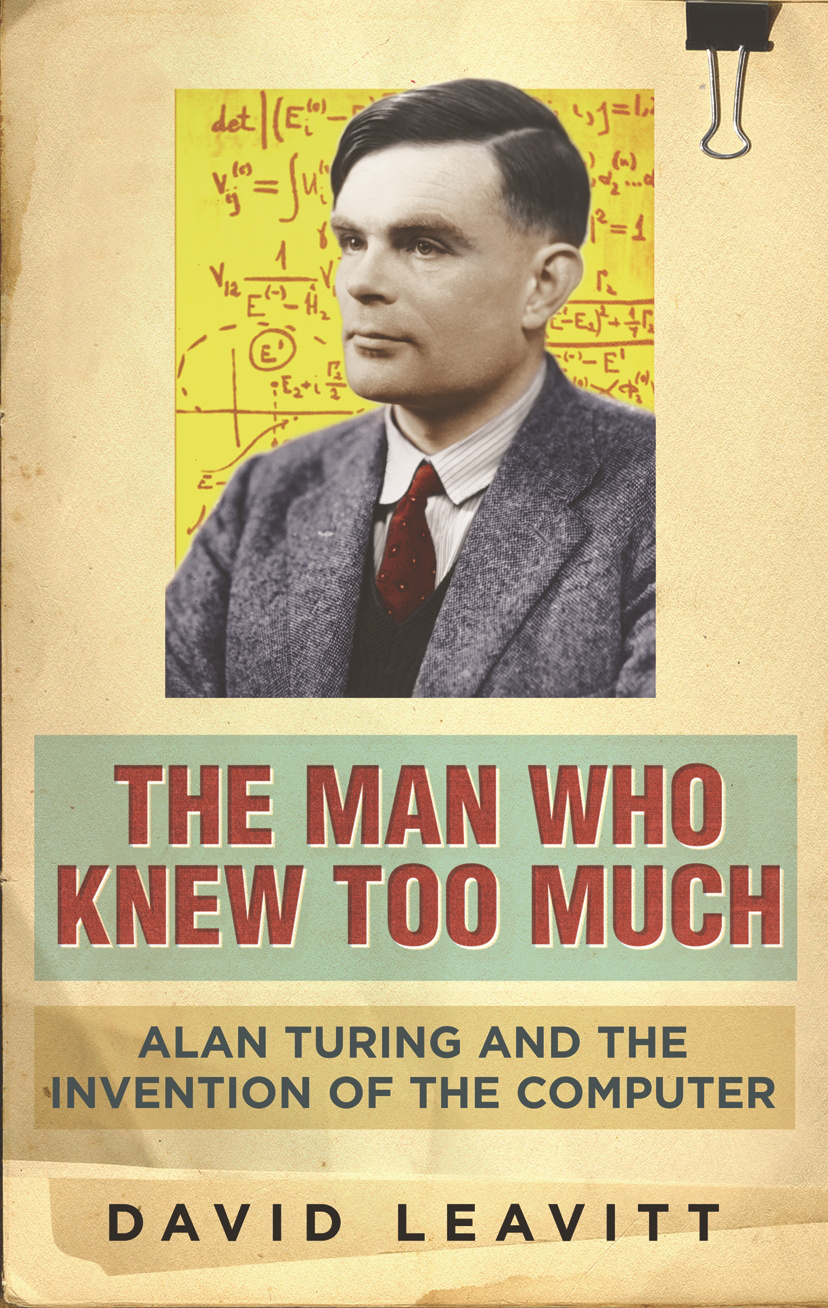
The Man Who Knew Too Much: Alan Turing and the invention of computers
Formats & Editions


To solve one of the great mathematical problems of his day, Alan Turing proposed an imaginary programmable calculating machine. But the idea of actually producing a 'Turing Machine' did not crystallize until he and his brilliant Bletchley Park colleagues built devices to crack the Nazi's Enigma code, thus ensuring the Allies' victory in World War II. In so doing, Turing became the champion of artificial intelligence, formulating the famous (and still unbeaten) Turing Test that challenges our ideas of human consciousness. But Turing's postwar computer-building was cut short when, as an openly gay man in a time when homosexuality was illegal in England, he was apprehended by the authorities and sentenced to a 'treatment' that amounted to chemical castration, leading to his suicide.
With a novelist's sensitivity, David Leavitt portrays Turing in all his humanity - his eccentricities, his brilliance, his fatal candor - while elegantly explaining his work and its implications.


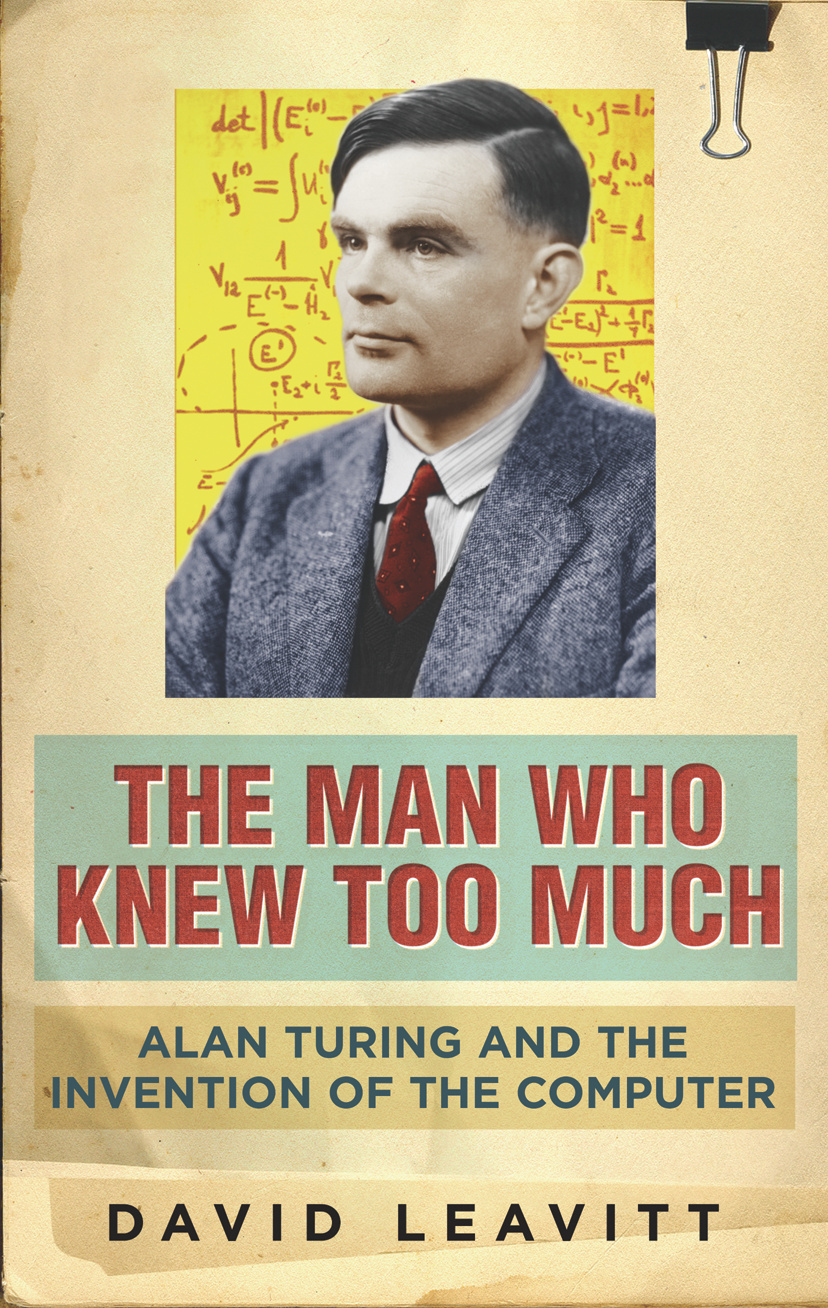
Praise for The Man Who Knew Too Much
-
A sympathetic account of Turing's ultimately tragic life - ObserverLeavitt proovides fascinating insights into cryptography...he conveys both the ingenuity of Turing's creations and the complexity of the man - Daily Telegraph

Find a book you'll love, get our newsletter

This site is protected by reCAPTCHA and the Google Privacy Policy and Terms of Service apply.
© Hachette Aotearoa | New Zealand, All Rights Reserved · Site by Chook