


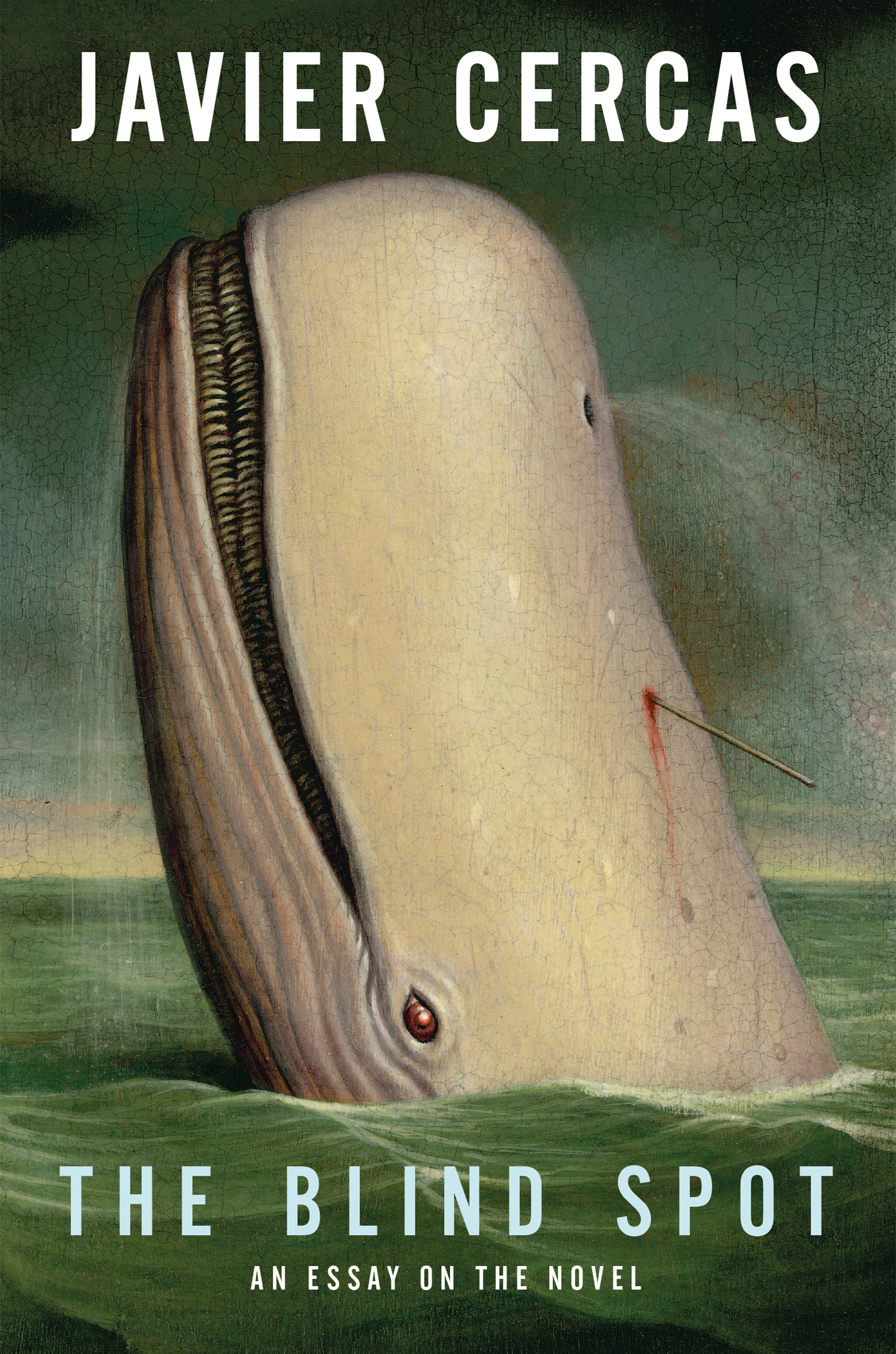
The Blind Spot: An Essay on the Novel
Formats & Editions
An essential collection of literary criticism by one of Spain's most acclaimed authors
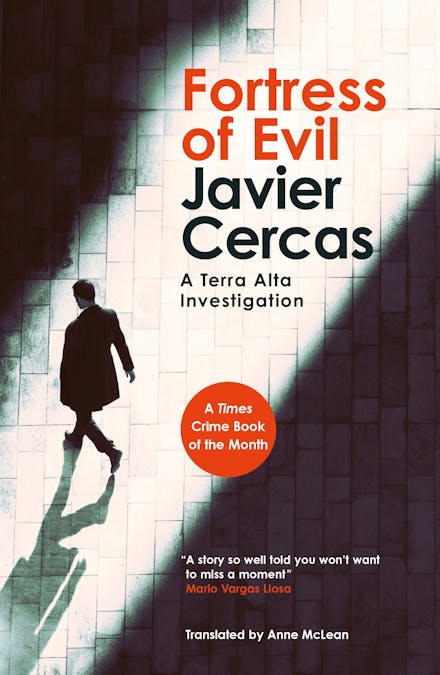
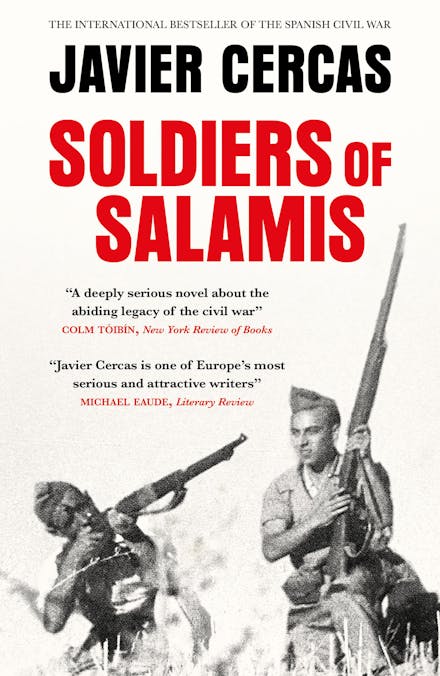
Javier Cercas is one of the most enjoyable and innovative novelists at work today. Well known among English-language readers as the author of Soldiers of Salamis (winner of the Independent Foreign Fictio Prize), The Anatomy of a Moment and The Impostor, Cercas is also Professor of Spanish Literature at the University of Girona. In 2015, following in the footsteps of George Steiner, Mario Vargas Llosa and Umberto Eco, as Weidenfeld Visiting Professor in Comparative European Literature at St Anne's College, Oxford, Cercas gave a series of five lectures on the novel today, which have since been revised and are now published in English for the first time as The Blind Spot.
Starting with Don Quixote and his own experience as a writer, Cercas launches out into a consideration of the most challenging fiction of the last hundred years, from Kafka, Borges, Perec, Calvino and Kundera, to Sebald, Coetzee, Barnes, Foster Wallace and Knausgard. First, he defines and celebrates certain aspects of the novel in the twenty-first century which are also features of Cervantes' masterpiece: its essential irony and ambiguity, its total commitment to innovation, its natural, joyful and omnivorous desire to cram the whole world within its pages, and its intricate concern with fiction and reality. Then he moves on to consider the actual meaning of the novel, the uncertain and discredited role of the writer as intellectual, and the role of the reader in the creation of a form whose aim is to tell the truth by telling lies.
The result is a dazzling short book which provides a new interpretation of novel from Cervantes and Melville to the present, and which will be as stimulating for readers and writers of literature in the twenty-first century as E. M. Forster's Aspects of the Novel or Milan Kundera's The Art of the Novel were in the last.
Translated from the Spanish by Anne McLean

Praise for The Blind Spot
-
Cercas is a master storyteller. - Independent.There is so much insight and perceptive good sense here, not to mention charm . . . it gives one faith in the continued possibilities of the novel - SpectatorDon Quixote does not resolve whether Quixote is or isn't mad, anymore than The Trial tells us what crime Joseph K. has committed. The answers to these questions, like the retina's blind spot, must be supplied by the reader's own brain, who thus becomes an active creator of the novel's meaning, replenishing with his living memory, his own values and his own understanding, the indeterminate space that the novel leaves open. - El Periodico.

Find a book you'll love, get our newsletter

This site is protected by reCAPTCHA and the Google Privacy Policy and Terms of Service apply.
© Hachette Aotearoa | New Zealand, All Rights Reserved · Site by Chook