

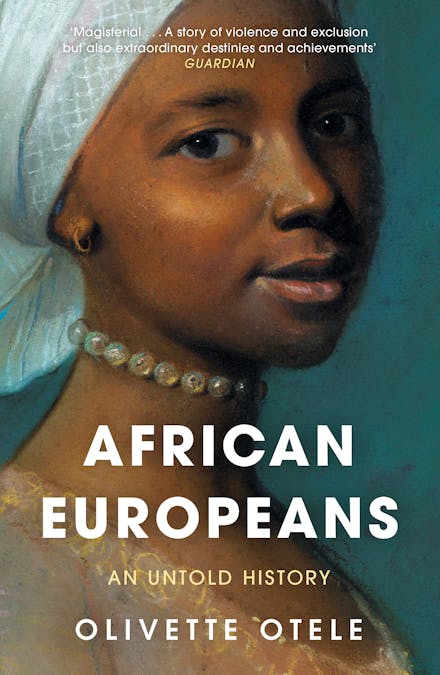


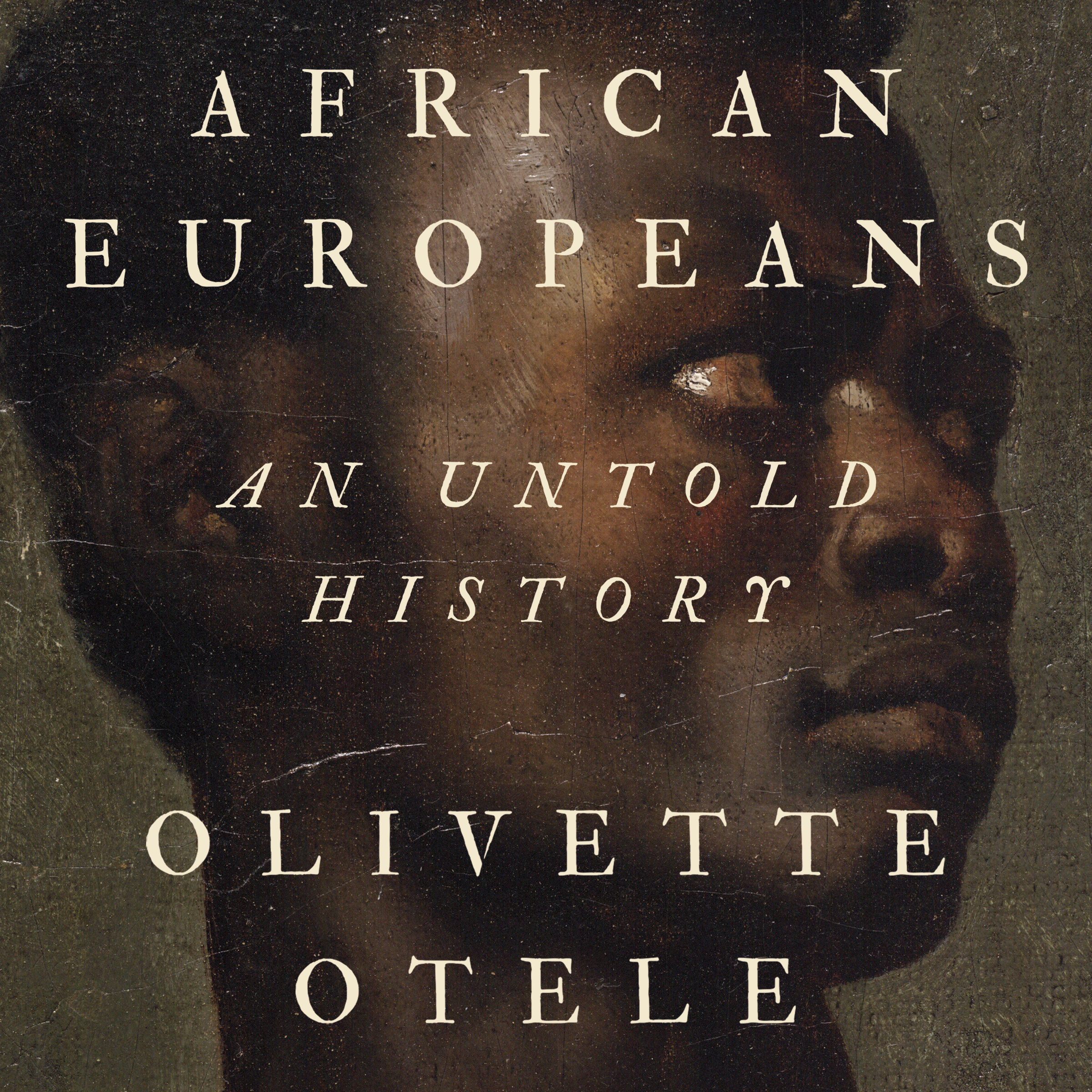
African Europeans: An Untold History
Formats & Editions


A Guardian Best Book of 2020
A History Today Book of the Year, 2020
Renowned historian Olivette Otele uncovers the untold history of Europeans of African descent, from Saint Maurice who became the leader of a Roman legion and Renaissance scholar Juan Latino, to abolitionist Mary Prince and the activist, scholars and grime artists of the present day. Tracing African European heritage through the vibrant, complex, and often brutal experiences of individuals both ordinary and extraordinary, she sheds new light not only on the past but also on questions very much alive today - about racism, identity, citizenship, power and resilience. African Europeans is a landmark celebration of this integral, vibrantly complex slice of European history, and will redefine the field for years to come.
Praise for African Europeans
-
This is a book that all must read now. This story has been lived not just for centuries but for millennia, all the while being consistently suppressed, denied or untold. Searing scholarship and heightened humanity combine to illuminate, appal, explore and ultimately inspireFascinating . . . One of the book's great pleasures is its cast of memorable characters [and] though this is a work of synthesis, it's an unusually generous and densely layered onePeople of African heritage have contributed greatly to Europe's music, literature and more. But their achievements have long been overlooked . . . African Europeans works to bring more of this past to public attentionFascinating. Otele reconnects us with the men and women who came from Africa to shape European history: rulers, diplomats, slaves and soldiers-above all, our ancestorsSuperbly researched . . . This richly layered history brims with stories of how African Europeans contributed to the culture, politics and language in the countries they lived in . . . This book is more than just the stories of interesting lives; it is also a careful study of the scholarship on these individualsA thrilling, informative readA brilliant, important and beautifully written book that forces us to think about the past differentlyYoking together the ''African'' and the ''European'', too often treated as entirely separate categories, Otele skilfully invites her reader to navigate the multiple intersecting worlds inhabited by her characters. This is fundamentally reparative writing that undoes the cultivated ignorance around race and blackness in Europe and shows us what is irrefutably true that black history is European history, indeed, world history

Find a book you'll love, get our newsletter

This site is protected by reCAPTCHA and the Google Privacy Policy and Terms of Service apply.
© Hachette Aotearoa | New Zealand, All Rights Reserved · Site by Chook