


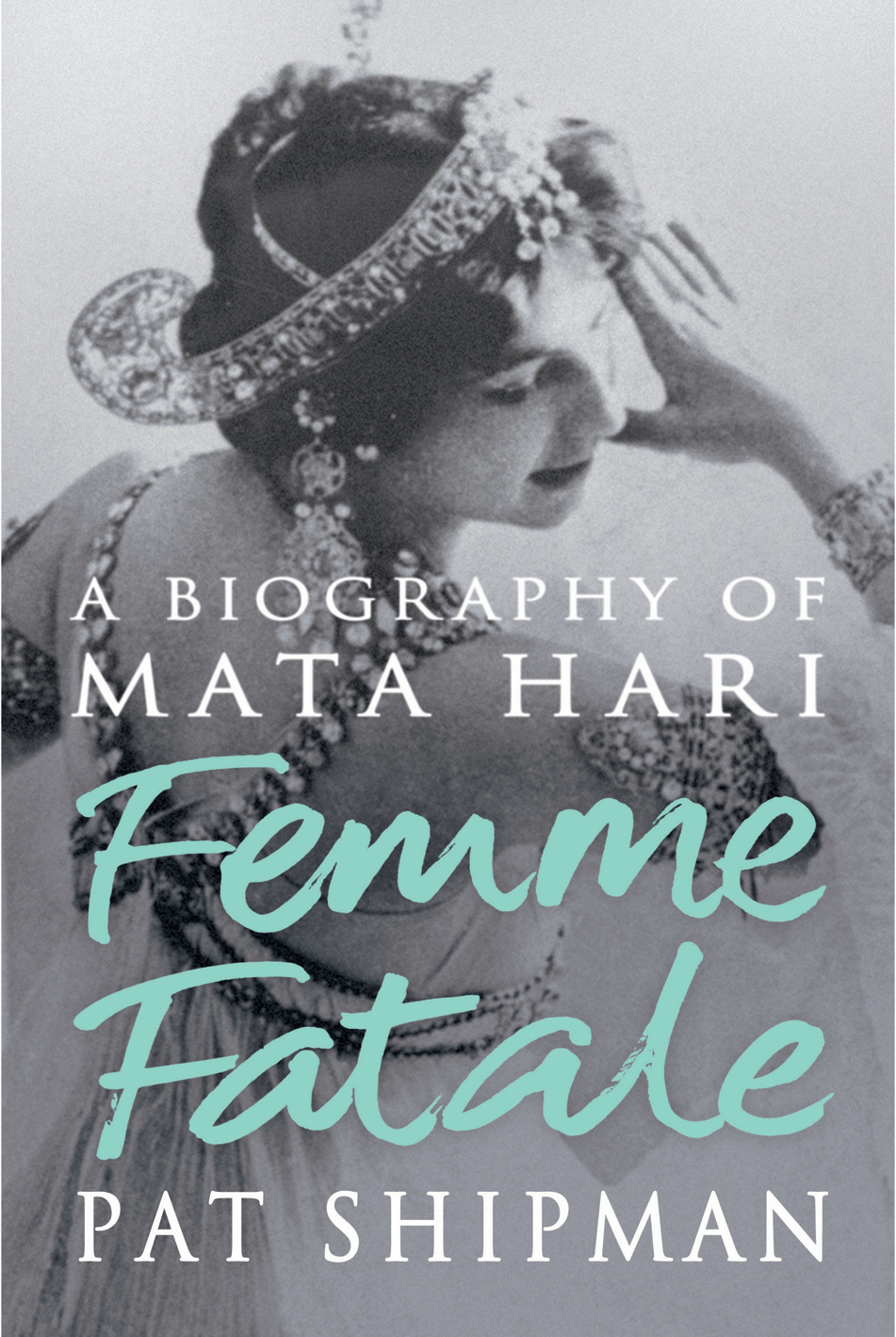
Femme Fatale: Love, Lies And The Unknown Life Of Mata Hari
Formats & Editions
Mata Hari was the prototype of the beautiful but unscrupulous female agent who uses sexual allure to gain access to secrets, if she was indeed a spy.
In 1917, the notorious dancer Mata Hari was arrested, tried, and executed for espionage. It was charged at her trial that the dark-eyed siren was responsible for the deaths of at least 50,000 gallant French soldiers. Irrefutably, she had been the mistress of many senior Allied officers and government officials, even the French Minister of War: a point viewed as highly suspicious. Worse yet, she spoke several European languages fluently and travelled widely in wartime Europe. But was she guilty of espionage
For all the publicity Mata Hari and her trial received, key questions remain unanswered. These questions concern not only her inadequate trial and her unproven guilt, but also the events in her personal life. What propelled Margaretha Zelle, destined to be a Dutch schoolteacher, to transform herself into Mata Hari, the most desirable woman in early 20th-century Paris She danced before enthusiastic crowds in Paris, Berlin, Vienna, Madrid, Monte Carlo, Milan and Rome, inspiring admiration, jealousy, and bitter condemnation.
Pat Shipman's brilliant biography pinpoints the powerful yet dangerous attributes that evoked such strong emotions in those who met Mata Hari, for hitherto the focus has been on espionage, not on exploring the events that shaped her life and caused her to transform herself from rural Dutch girl to international femme fatale.
Find a book you'll love, get our newsletter

This site is protected by reCAPTCHA and the Google Privacy Policy and Terms of Service apply.
© Hachette Aotearoa | New Zealand, All Rights Reserved · Site by Chook