



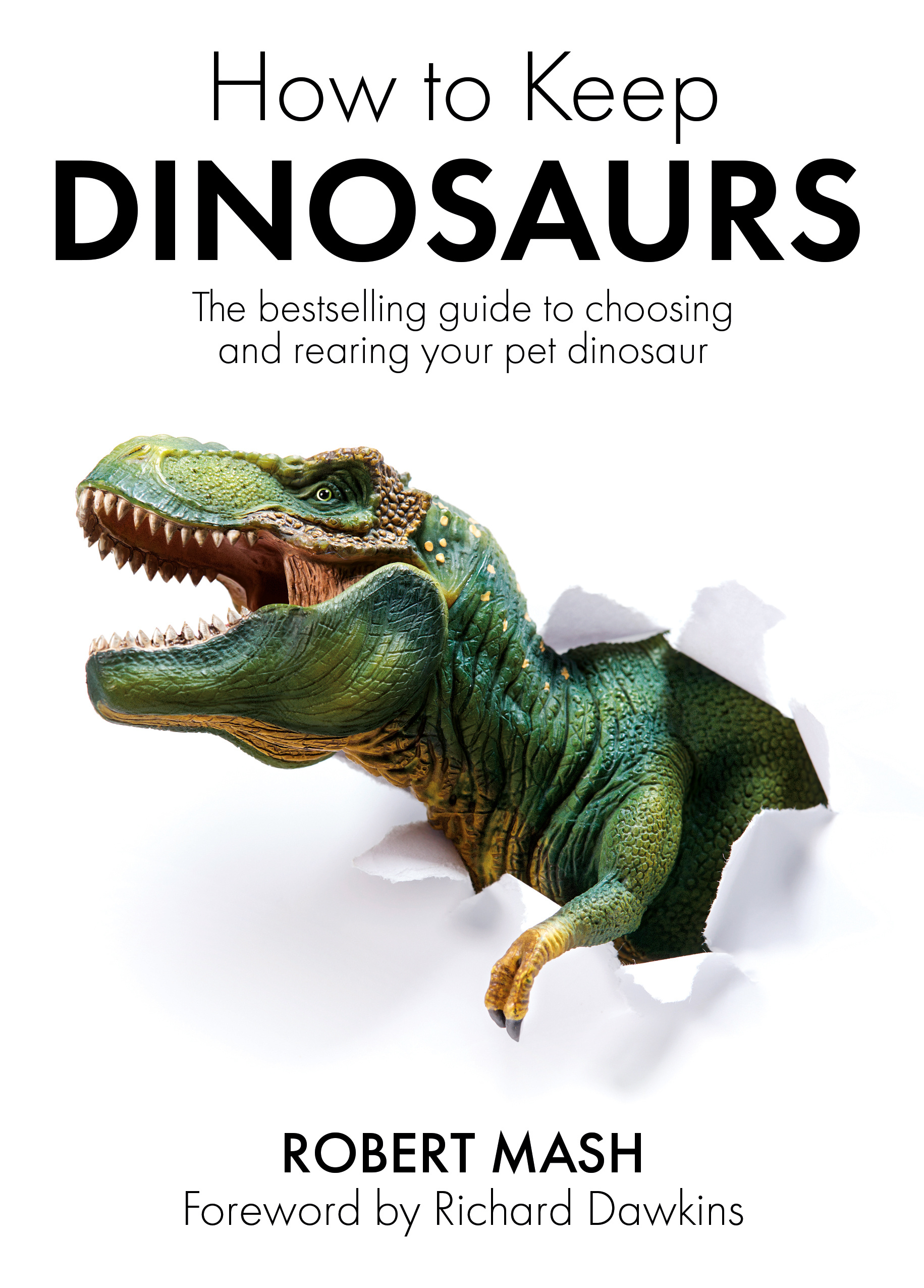
How To Keep Dinosaurs: The perfect mix of humour and science
Formats & Editions
Perfect Christmas gift for any dinosaur enthusiast!
'Who could resist a handbook about potential pets that has a little symbol for "likes children" and a separate one for "likes children to eat"... wonderful' GUARDIAN
Hollywood and the popular press would have us believe that all dinosaurs are gigantic, hostile and untameable. In fact, there are many species that make charming and even useful companions:
Velociraptor - a splendid, loyal, fierce, friend
Deinonychus - will not eat dog food (dogs are another matter)
Tyrannosaurus - least suitable to keep; will need special licence
Ornithomimus - an appealing first dinosaur for the child anxious for her first ride
This book advises you which dinosaur is right for you and your home, from the city apartment dweller looking for a lap pet, to the country estate owner looking to tighten up on security.
HOW TO KEEP DINOSAURS is a bestselling guide, packed with the sort of information keen dinosaur keepers crave - from feeding and housing to curing common ailments, breeding and showing your animal. The author, a zoologist with extensive experience of dinosaurs, has provided a timely and much-needed source book for all those who keep dinosaurs and for the huge numbers who are contemplating getting one. It is as essential to every dinosaur keeper as a stout shovel and a tranquilliser rifle.
Praise for How To Keep Dinosaurs
-
Who could resist a handbook about potential pets that has a little symbol for "likes children" and a separate one for "likes children to eat"... The pictures are wonderful and advice errs of the side of responsibility. The big carnivores, he says, are ideal for safari parks in the grounds of stately homes. Tyrannosaurus is "the ultimate animal for a zoo with dwindling attendances". But accidents will happen and "unfortunately mean fairly large scale death and destruction" - GUARDIAN

Find a book you'll love, get our newsletter

This site is protected by reCAPTCHA and the Google Privacy Policy and Terms of Service apply.
© Hachette Aotearoa | New Zealand, All Rights Reserved · Site by Chook