

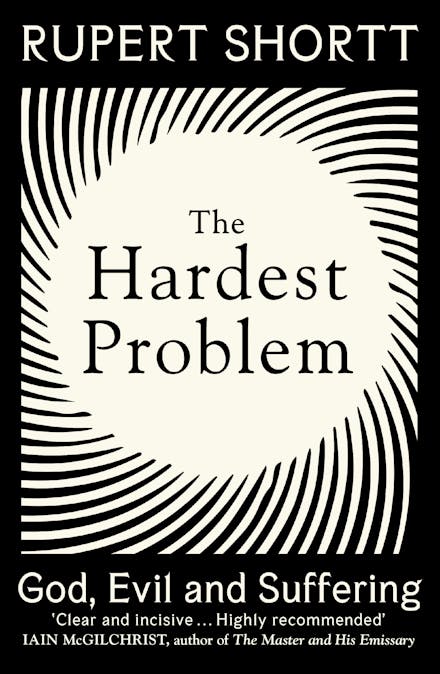
The Hardest Problem: God, Evil and Suffering
Formats & Editions


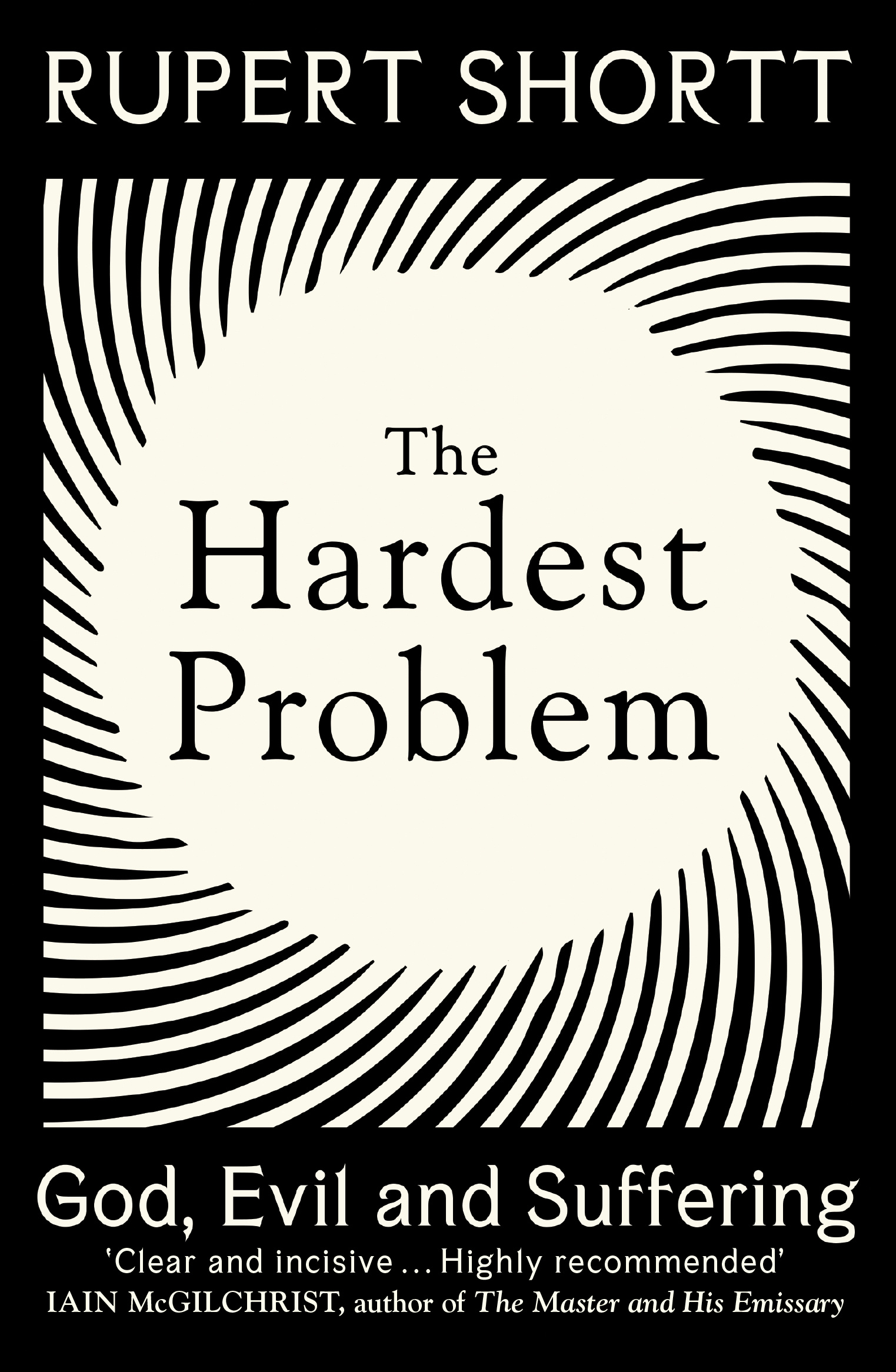
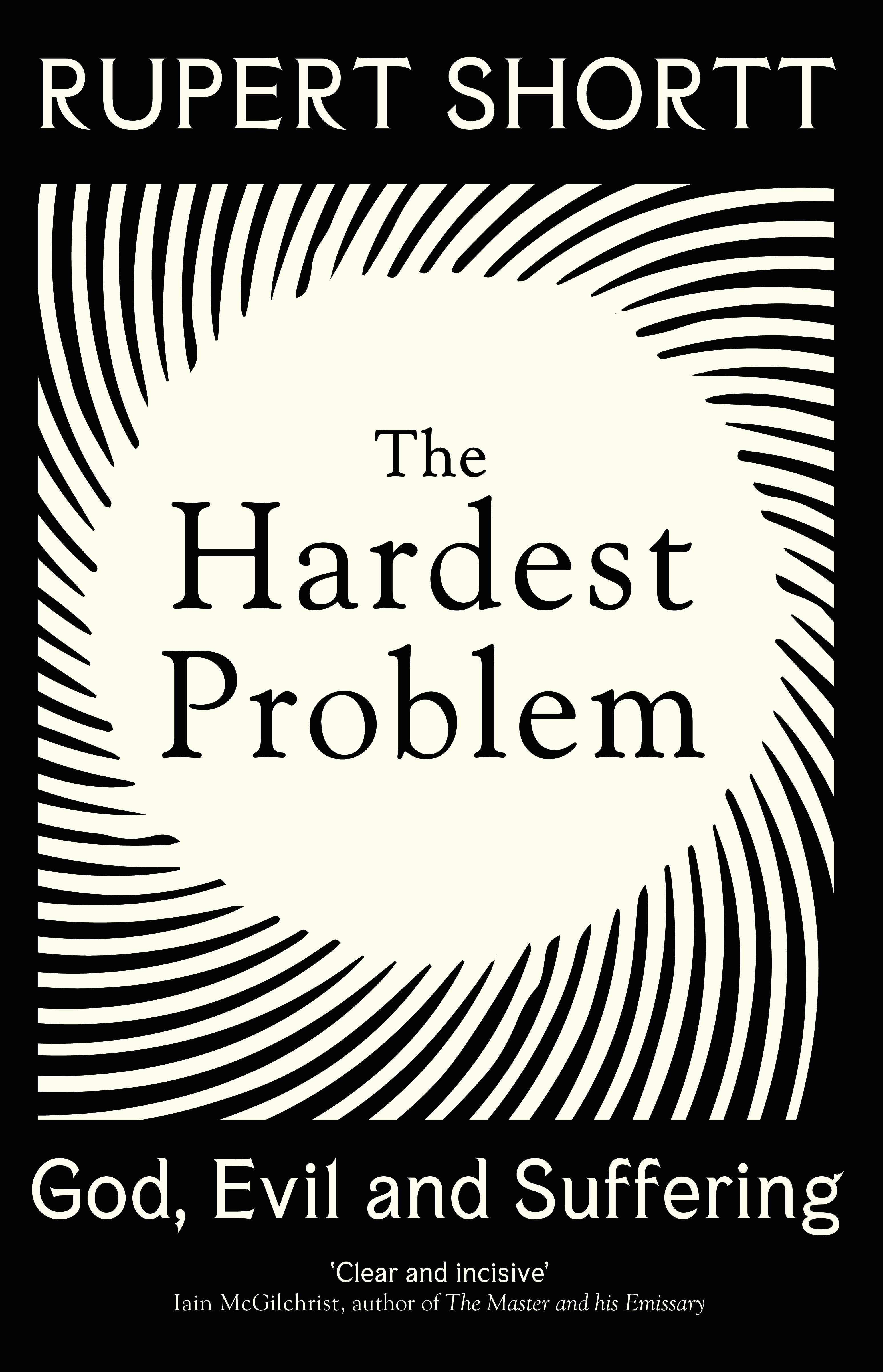
How can a supposedly all-powerful and all-loving God permit evil and suffering on a grand scale?
The question has assailed people across cultures at least as far back as the biblical Book of Job. To sceptics, it forms clinching evidence that all talk of providence is childish -- or even a dangerous delusion. Writing clearly and concisely but avoiding simplistic answers, Rupert Shortt argues that belief in a divine Creator is intellectually robust, despite apparent signs to the contrary. Having cleared the ground, he goes on to show how a Christian understanding, in particular, points the way forward through terrain where raw feeling, intellectual inquiry and the toughest trials of the spirit often overlap.
The Hardest Problem takes its place alongside the work of C. S. Lewis as an essential guide to one of life's deepest dilemmas for a new generation of readers.
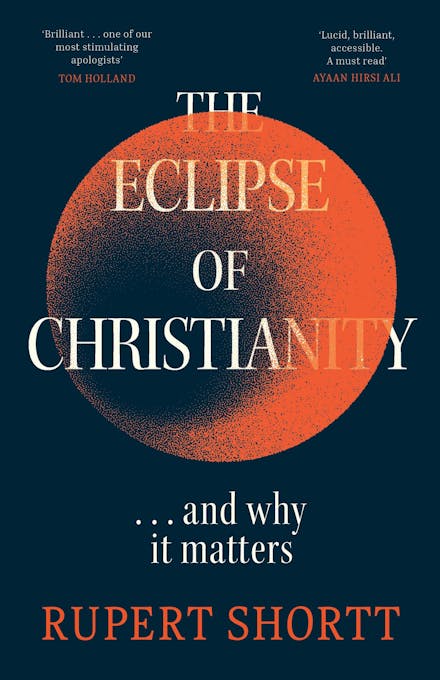
Praise for The Hardest Problem
-
Rupert Shortt is clear and incisive in this new work of theodicy'One of the most cogent writers of our day''Beguiling''Deep theological knowledge and spiritual discernment''Wise, informed and immensely thoughtful'A stunning challenge to the casual atheism of our ageHis arguments are powerfulThe book succeeds in presenting a reasoned case for holding fast to the reality of God, as Christianity understands it, and not shirking from the troubling existence of suffering.

Find a book you'll love, get our newsletter

This site is protected by reCAPTCHA and the Google Privacy Policy and Terms of Service apply.
© Hachette Aotearoa | New Zealand, All Rights Reserved · Site by Chook