

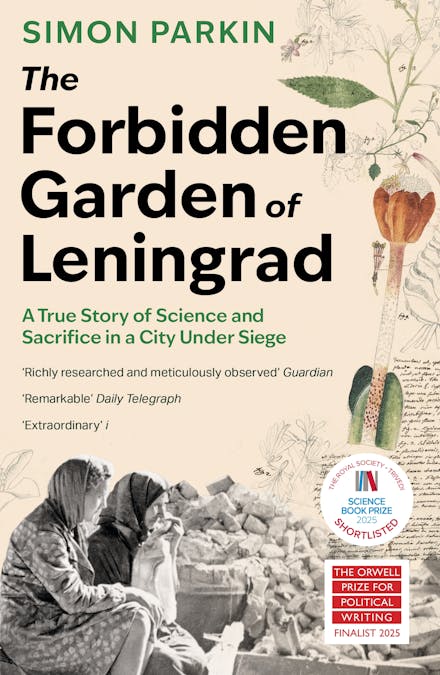
The Forbidden Garden of Leningrad: A True Story of Science and Sacrifice in a City under Siege
Formats & Editions


A FINALIST FOR THE 2025 ORWELL PRIZE FOR POLITICAL WRITING
& THE ROYAL SOCIETY SCIENCE BOOK PRIZE 2025'An astonishing story brilliantly told . . . It is as moving as it is gripping to read'
Jonathan Dimbleby, author of Endgame 1944'A richly researched and meticulously observed account of a little-explored corner of 20th-century history'
Guardian
'A fantastically well-researched history of science and sacrifice saturated in drama'
i
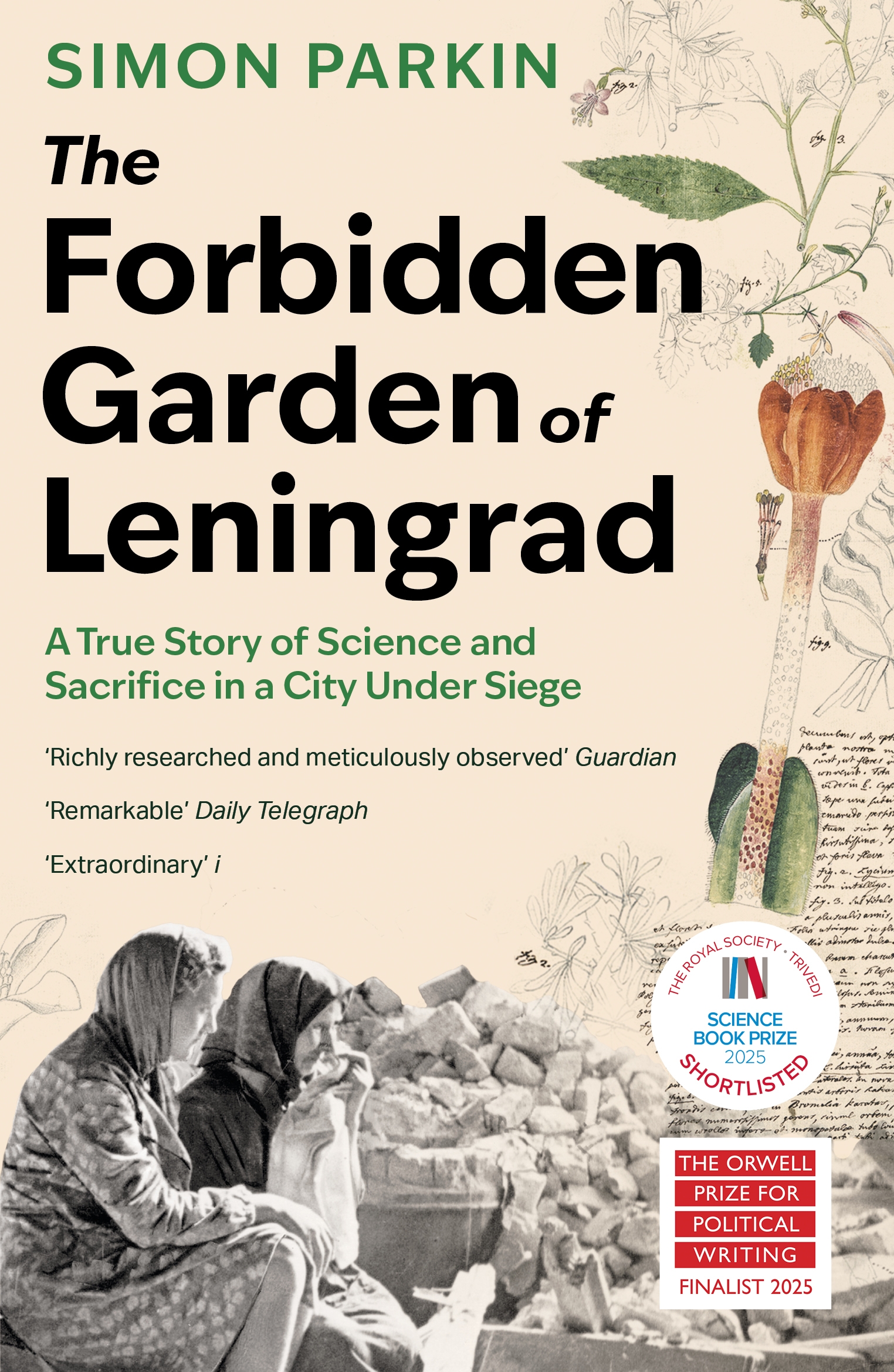
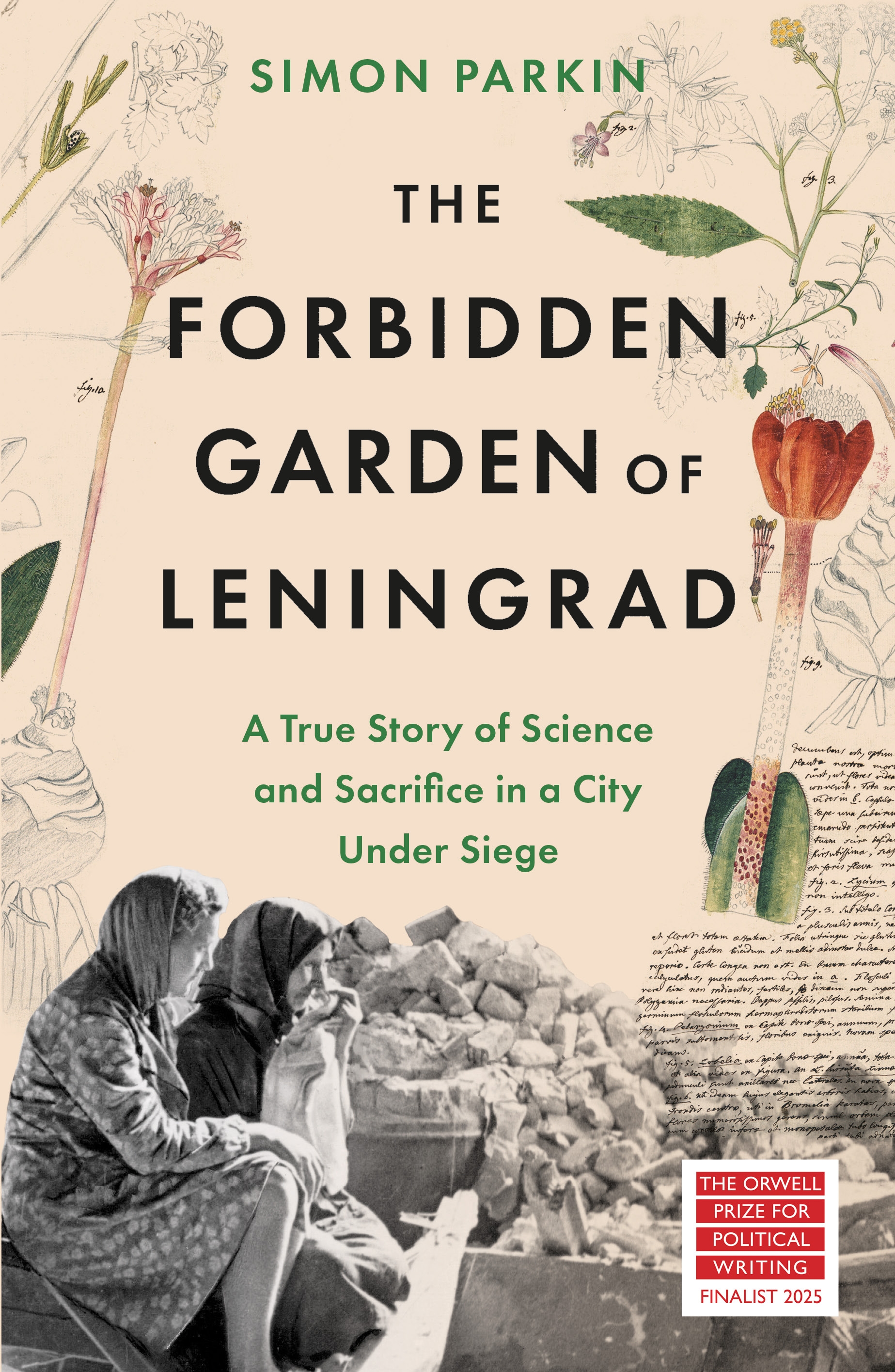
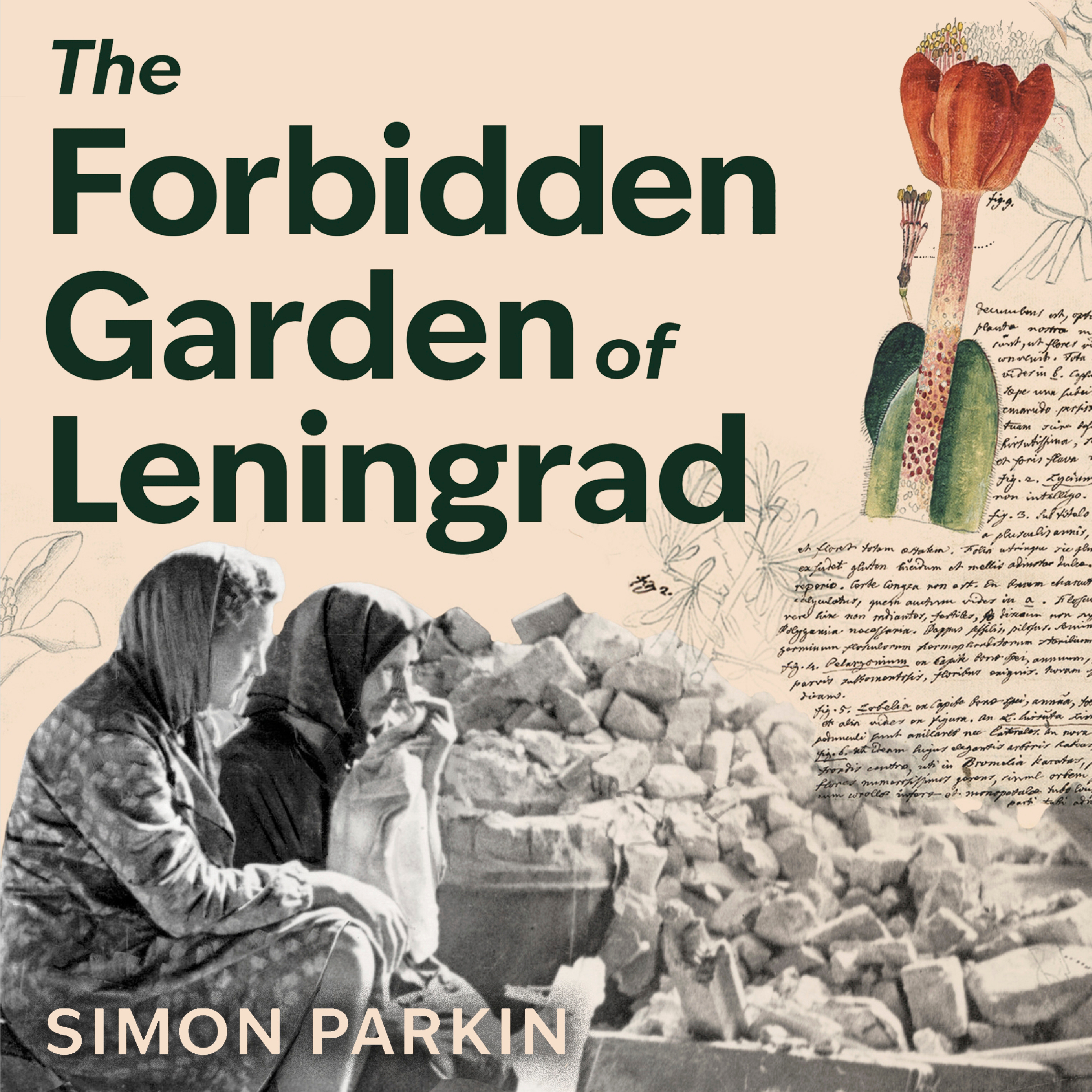
In the summer of 1941, German troops surrounded the Russian city of Leningrad - now St Petersburg - and began the longest blockade in recorded history. By the most conservative estimates, the siege would claim the lives of three-quarters of a million people. Most died of starvation.
At the centre of the embattled city stood a converted palace that housed the greatest living plant library ever amassed - the world's first seed bank. After attempts to evacuate the collection failed, and as supplies dwindled, the scientists responsible faced a terrible decision: should they distribute the specimens to the starving population, or preserve them in the hope that they held the key to ending global famine?
Drawing on previously unseen sources, The Forbidden Garden tells the remarkable and moving story of the botanists who remained at the Plant Institute during the darkest days of the siege, risking their lives in the name of science.
'A compelling account . . . a remarkable work of literary exhumation. The first full account of the Plant Institute in any language, it's a fitting testimony to an extraordinary project and the bravery of the ordinary individuals who kept it going'Daily Telegraph
Praise for The Forbidden Garden of Leningrad
-
Riveting . . . restores Vavilov and his scientific colleagues to their rightful places in the pantheon of Soviet heroes . . . remarkable - ObserverAn astonishing story brilliantly told. With a revelation on almost every page, Parkin reveals how a small group of passionate scientists put their lives on the line to save one the world's most important seed banks. By placing their desperate efforts against the backdrop of the wider horrors endured by the people of Leningrad, the author provides context and meaning for their untold acts of individual heroism. It is as moving as it is gripping to read one of the most remarkable stories of the Second World WarA history book as gripping as a thriller . . . Simon Parkin's account of the seedbank in The Forbidden Garden of Leningrad is extraordinary . . . striking narrative gold, he sets out this remarkable story in admirable detail, drawing upon fresh research sources . . . The Forbidden Garden of Leningrad is as gripping as it is absorbing throughout - iAn extraordinary tale. Parkin gives us detailed, immersive scenes and his narrative is rich in dialogue . . . the story raises important issues about the extent to which scientific progress can justify social neglect, about the ethics of collection and curation, and about our responsibilities not only to each other, but also to future generations - London Review of BooksRich . . . [a] gripping, sensitive account - SpectatorAward-winning author Simon Parkin vividly relates the tragic yet inspiring story of Vavilov and his team's dedication to the [seed bank] project . . . Using the diaries and letters of the botanists, as well as later-recorded oral histories, Parkin paints a suspense-filled record of this harrowing time in history - Kirkus ReviewA richly researched and meticulously observed account of a little-explored corner of 20th-century history - GuardianA fantastically well-researched history of science and sacrifice saturated in drama - i

Find a book you'll love, get our newsletter

This site is protected by reCAPTCHA and the Google Privacy Policy and Terms of Service apply.
© Hachette Aotearoa | New Zealand, All Rights Reserved · Site by Chook